
Brazil's drinking culture is lager, sugarcane spirit and celebration. Bringing it to the US takes more than a good bottle — it takes a license map.
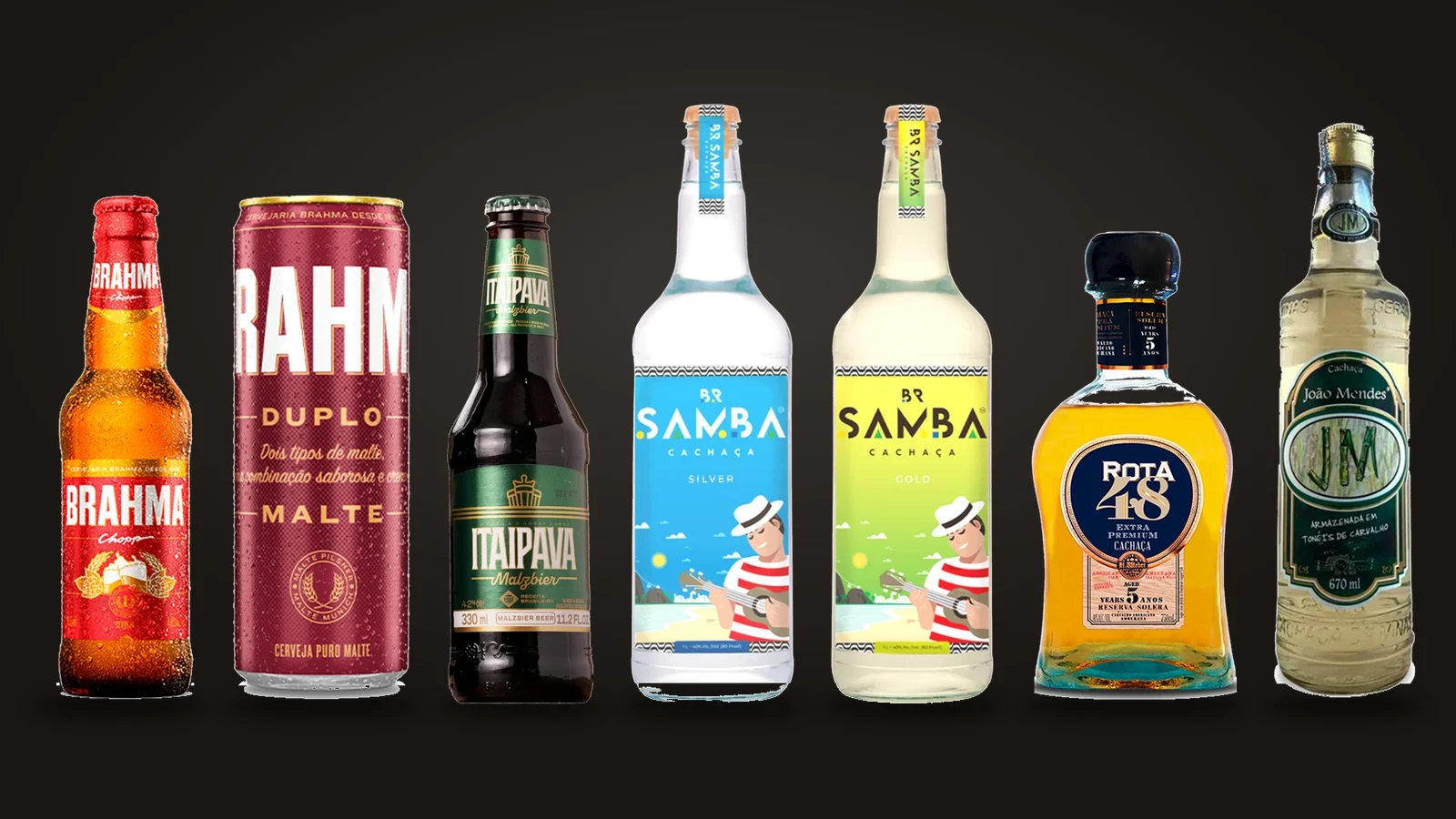
Brazil's beer scene is as lively as its culture. German immigration in the 19th century shaped a country of crisp lagers, and brands such as Brahma — founded in Rio de Janeiro in 1888 — became part of everyday life. Alongside them sit styles that barely exist in the US, like the sweet, dark malzbier, and a national spirit with its own legal identity: cachaça.
For American buyers, Brazilian pilsners are easy to understand — light, cold, food-friendly — which is why they travel well in Brazilian steakhouses, Latin restaurants and markets serving the Brazilian community. Brands such as Brahma Chopp, Brahma Duplo Malte and the Itaipava line bring that everyday Brazilian table to the US, while the malzbier style opens a category with no direct domestic equivalent.
Cachaça is distilled from fresh sugarcane juice, not molasses. In 2013 the TTB recognized cachaça as a type of rum and a distinctive product of Brazil, which means only spirit made in Brazil under Brazilian rules can be labeled "Cachaça" in the United States. That recognition gave the category its own shelf. Unaged silver cachaças drive the caipirinha and cocktail programs; wood-rested expressions — oak, amburana and other Brazilian woods — compete in the sipping spirits space.
Every bottle follows the three-tier system: a licensed importer, a licensed wholesaler, a licensed retailer. The importer needs a federal basic permit from the TTB; each label needs a Certificate of Label Approval (COLA); and each brand must be registered state by state, with rules, taxes and franchise laws that differ from one state to the next. This is why many good Brazilian brands never leave their first state.
BAVE Beverages operates with alcohol licenses in 41 states and DC. The portfolio combines our own labels — BR Samba cachaça and Bacco Dioniso wines — with authorized partner brands in beer, cachaça and spirits. For a brand, this means entering the US through a structure that already exists: federal permits, label approvals, state registrations and a distribution network, instead of building each piece from zero.
Distributors, retailers and restaurants can request line sheets for any label. Brands can submit their project to the BAVE US Entry Platform.


The Beverages section contains alcohol-related content and is intended for adults of legal drinking age.