
Most brands that fail in the American market do not fail on product. They fail on sequence: a missing registration, a label that does not clear, a distributor signed before the licenses exist.
The United States is the largest consumer market in the world, and also one of the most regulated. For a brand coming from Brazil — or from anywhere else — the question is rarely whether the product can sell. It is whether the brand can clear every gate in the right order, without carrying liabilities it does not understand.
The context has also changed. Since 2025 the tariff treatment of Brazilian goods has been revised several times. Most recently, the Office of the US Trade Representative imposed an additional 25% duty on most imports from Brazil, effective July 22, 2026, with a limited list of exemptions. For many brands, the answer is no longer only "export better". It is to plan US production from day one, and to diversify the origin of what is sold here.
Every facility that manufactures, processes, packs or holds food for consumption in the US must be registered with the FDA, and every shipment must be announced to the FDA before it arrives. Without these two steps, product stops at the port.
Under the Foreign Supplier Verification Program, the US owner or consignee of imported food must analyse hazards, evaluate each foreign supplier, verify it — through audits, sampling or record review — and keep written procedures for every food and supplier combination. This is a legal responsibility, not paperwork. Choosing who carries it is one of the most important decisions in the whole project.
Nutrition Facts in the US format, declared allergens, net quantity in both US and metric units, and an ingredient list in English. A label designed for another market almost never clears as it is.
An alcohol importer needs a federal basic permit from the TTB, and every label needs a Certificate of Label Approval (COLA) before it can be sold. Then comes the state layer.
Alcohol moves through the three-tier system — importer, wholesaler, retailer — and each state has its own registration and rules. Food moves through distributors, food service buyers and retail, each with its own terms, slotting and credit requirements. A distributor signed before the licenses and registrations exist is a contract without a product.
Product liability insurance, a recall plan and clear contracts that say which entity is responsible for what. Brands that skip this step often discover it when a buyer's compliance team asks for the certificate.
When volume justifies it, producing in the US removes tariff exposure, shortens lead times and opens retail programs that require domestic supply. It can start with a co-packer and evolve into a dedicated plant.
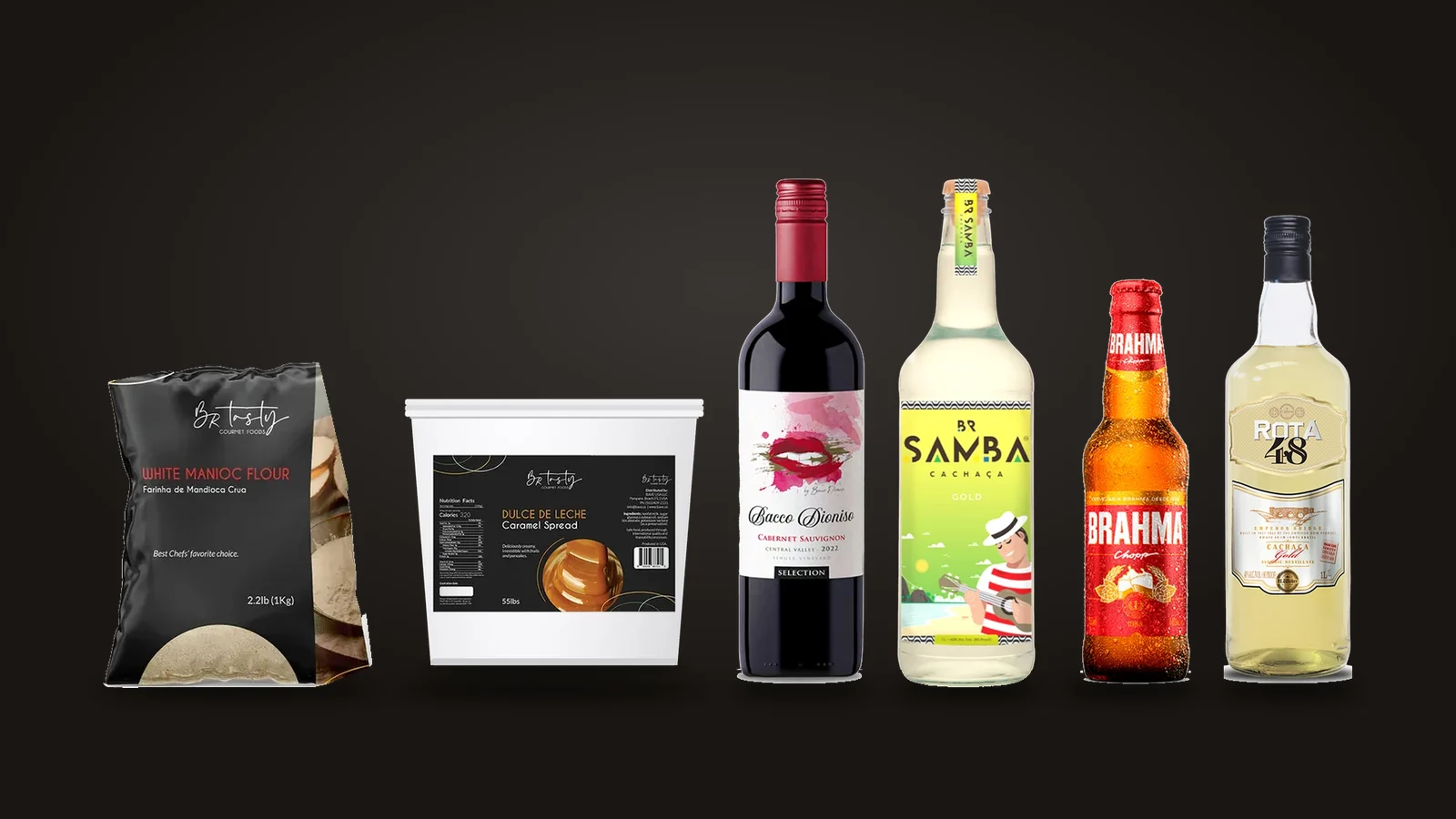
BAVE is a business platform based in Pompano Beach, Florida, with alcohol licenses in 41 states and DC. We do not simply buy and resell. We build the feasibility and scale project for each brand: regulatory, administrative, permits, liability, business plan, go-to-market and — when it scales — production in the US, contracted or dedicated. The brands, foods and beverages you see on this site are the proof that the method works.
If your brand is ready to evaluate the US market, tell us about it. The first assessment is how we decide, together, whether the project makes sense.


The Beverages section contains alcohol-related content and is intended for adults of legal drinking age.