
Neutral flavor, clean texture, naturally gluten-free — and a name consumers recognize on the ingredient list. What formulators should know before choosing a cassava starch.
▶ View as Web Story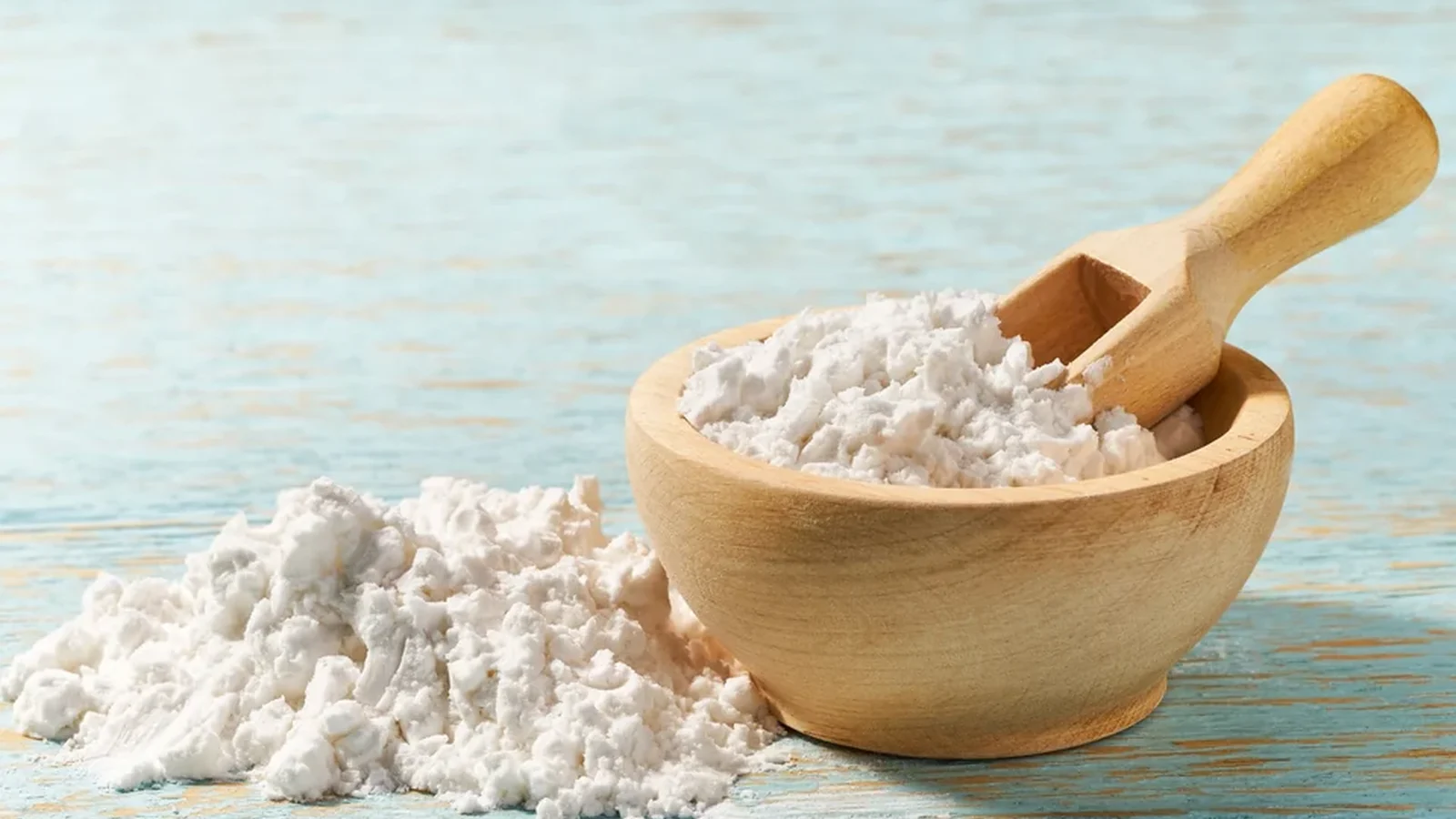
For decades, corn and wheat set the standard for starches in American food manufacturing. That is changing. Shorter ingredient lists, allergen-conscious buyers and the growth of gluten-free lines have pushed formulators toward an ingredient Brazilians have used for centuries: cassava, known in the US trade as tapioca.
Industry estimates put the global tapioca starch market at about USD 4.7 billion in 2023, growing to roughly USD 8.1 billion by 2033 — a compound annual growth of 5.6%, according to Market.us.
Native tapioca starch is the all-purpose base for thickening, binding and gluten-free baking. Organic grades serve certified lines. Sour tapioca starch (polvilho azedo), naturally fermented and sun-dried, is what gives Brazilian cheese bread its expansion and open crumb. Pre-gelatinized grades thicken without cooking, useful in instant mixes and cold-process products. Modified clean-label grades add heat, shear and acid tolerance for sauces and retort applications. And cassava maltodextrin and dextrins work as carriers, coatings and binders across the food and non-food industries.
A technical data sheet per grade, a certificate of analysis per lot, allergen and gluten statements, and traceability from the lot back to origin. For food service and industrial buyers, consistent supply matters as much as the specification.
For a food manufacturer, the real cost of an ingredient is not the price per pound. It is the safety stock sitting in a warehouse, the emergency spot buy when a container is late, the line stopped for a missing lot, the recall exposure of an undocumented supplier and the people needed to manage all of it. BAVE Foods is built to take that weight off the plant:
The result is simple: your team focuses on its core business — manufacturing — and we deliver everything around the ingredient, with an obsession for efficiency and cost control.
BAVE Foods, through its own BR Tasty brand, supplies native, organic, sour, pre-gelatinized and clean-label modified tapioca starches, cassava maltodextrin and dextrins, cassava flours and ready mixes such as pão de queijo — for Brazilian steakhouses, food service and American food manufacturers. Every grade comes with its technical sheet and lot traceability.
Request a technical sheet or a sample for your application.



The Beverages section contains alcohol-related content and is intended for adults of legal drinking age.